What Is Wild? — Kimi Zoet
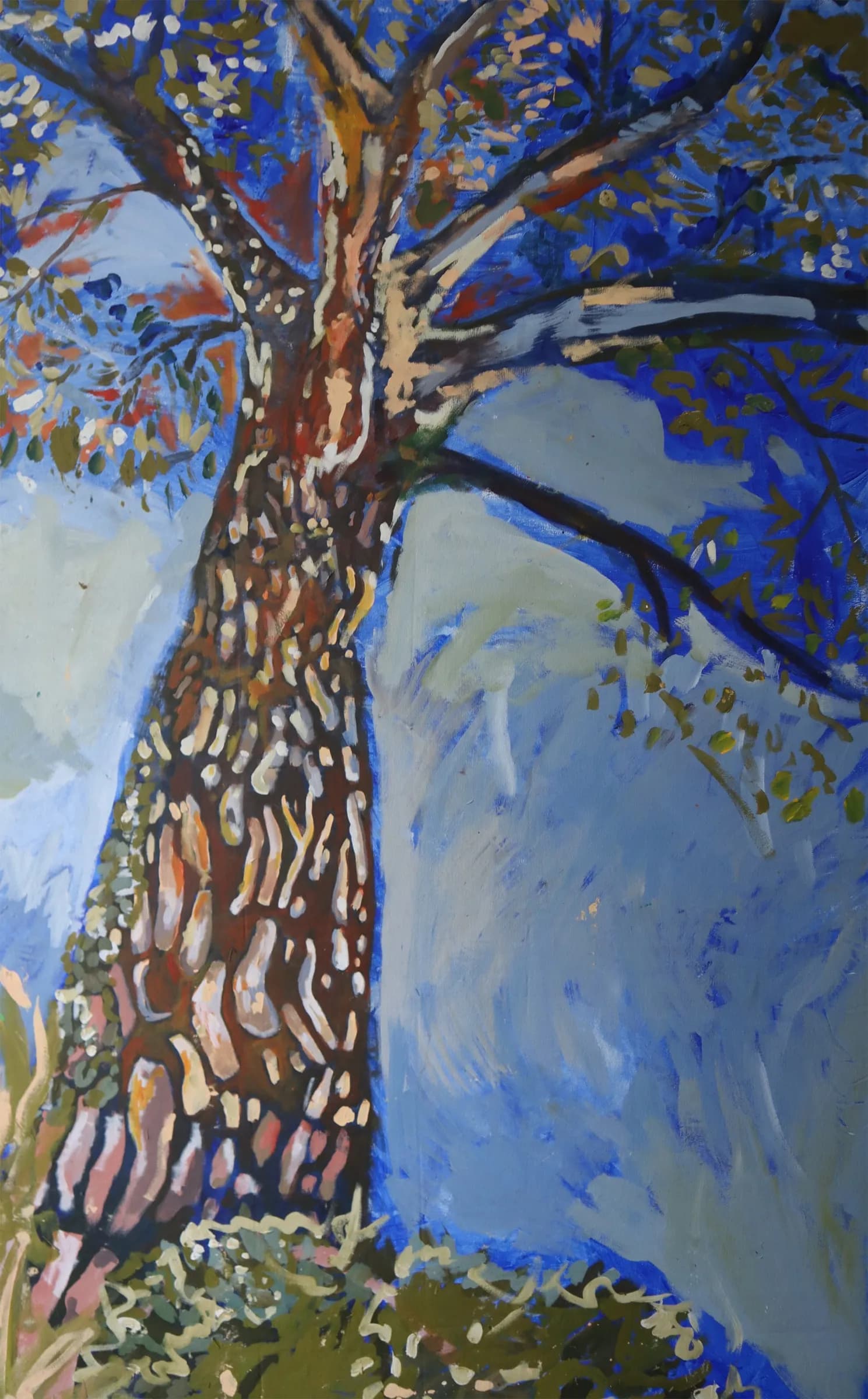
What does it mean to be wild in a culture that has become accustomed to controlling the natural world? In What Is Wild?, artist Kimi Zoet explores this question through a new body of paintings informed by time spent at rewilding sites and conversations with ecologists. Bringing together large-scale observational paintings and smaller, more intimate works, the exhibition traces an evolving understanding of what it means for a tree to be wild, moving beyond familiar ideas of beauty, order and vitality to recognise the life and possibility within what we often overlook.
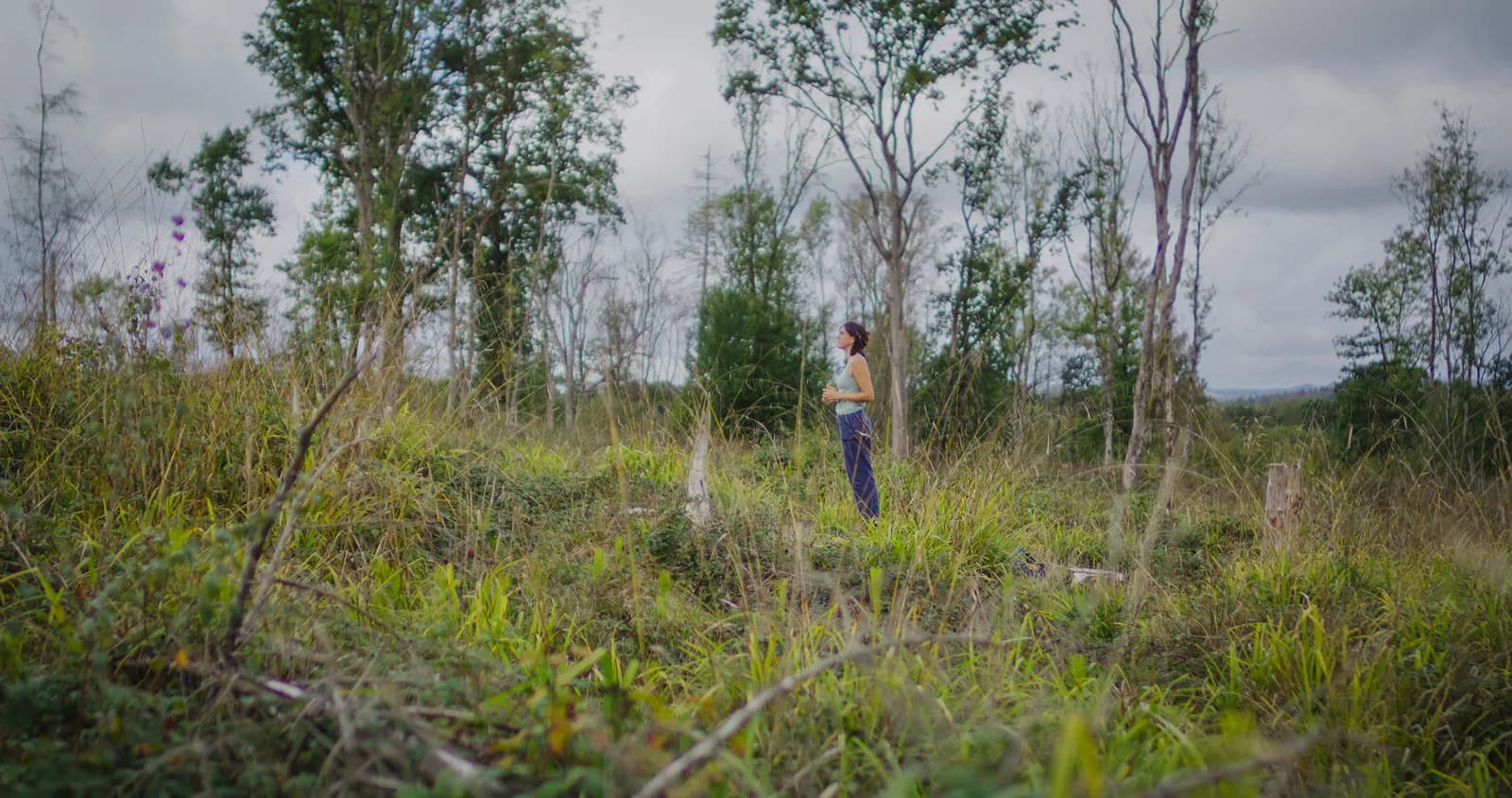
The project began with a deceptively simple question: “What is a healthy tree?” When an ecologist challenged Zoet’s first painted example of a healthy tree as manicured rather than truly wild, it prompted her to reconsider what she was looking at. Her subsequent visits to rewilding landscapes, including Knepp and the Ealing Beaver Project, opened up a different understanding of ecological health — one in which decay, fallen trees and apparent disorder can be essential to the flourishing of life.
Through conversations and time spent observing alongside ecologists, Zoet began to see crooked, dead and dying trees differently. Rather than representing an end point, they can provide vital habitats for insects, beetles and birds. What might appear neglected or unhealthy to the human eye can be part of a much larger, interconnected system. One of the project's clearest lessons became, in Zoet’s words, “mess is good.”
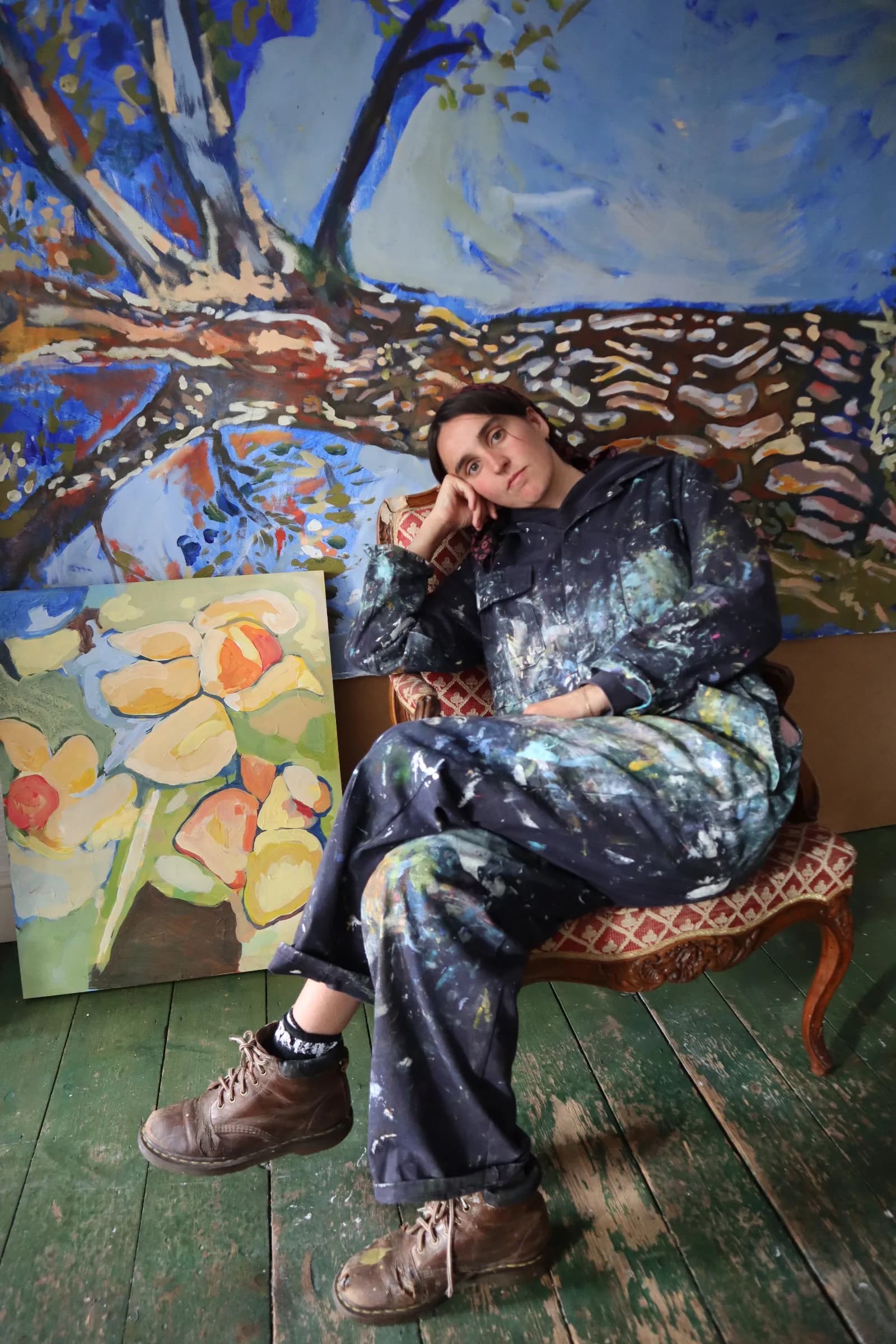
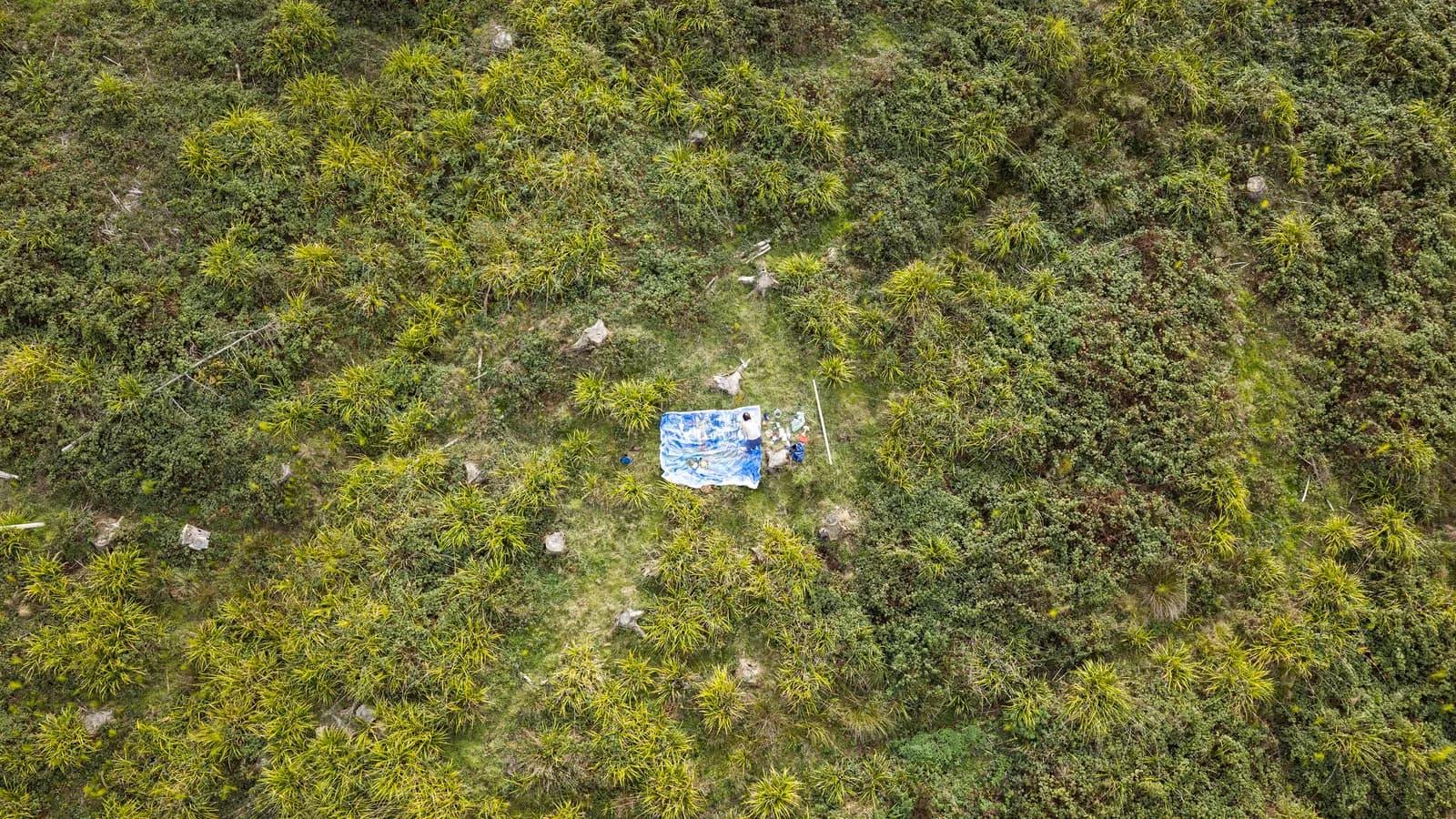
This evolving understanding has also shaped Zoet’s artistic practice. Painting outdoors, she creates large-scale, expressive works that capture an immediate, often joyful response to the landscape. Alongside this, she experiments in the studio with the behaviour of paint, dripping and soaking it into the surface to explore decay and transformation. As these experiments feed back into her outdoor practice, the paintings become darker, richer and more dynamic, embracing the unpredictability of the materials themselves. Through this evolving process, the works hold traces of Zoet’s growing understanding of wildness, where life and death exist in a generative relationship.
For Zoet, rewilding is not simply a conservation practice, but a challenge to deeply held cultural assumptions about control, individuality and our relationship with the world around us. Working collaboratively with ecologists has offered an alternative to the idea of the artist as an isolated individual, opening up a practice shaped by shared knowledge, attention and exchange. Just as a tree depends on the wider ecosystem around it, the project asks what might become possible when we understand ourselves as part of something larger.
These questions extend beyond the countryside into the streets of London. For Zoet, wildness can be found in weeds growing through pavement cracks, abandoned gardens and ivy gradually reclaiming neglected buildings. Beneath the carefully maintained surface of the city, natural processes continue. As she puts it, “The tarmac is such a small veneer that keeps the soil at bay, and as soon as we stop pruning it, it will crack open.”
The exhibition also considers how our desire to manage nature reflects wider attitudes towards our own lives and bodies. The repeated effort to prune, tidy and suppress natural growth becomes a way of thinking about the pressure to conform, and the possibilities that emerge when we allow things to exist on their own terms.
Rather than offering definitive answers, What Is Wild? marks the beginning of an ongoing investigation. Zoet invites viewers to look again at what is often dismissed as disorder, and to consider whether the qualities we try to control might hold their own forms of wisdom, resilience and possibility.
“This exhibition marks the beginning of an ongoing investigation into wildness.” — Kimi Zoet
13th November - 10th December
Wed - Sun, 9:30 - 5:30pm
Silian Gallery, 434 King’s Road, London SW10 0LJ