Tucked away in 42 acres of landscaped grounds along the Thames in Fulham, the Hurlingham Club has been an emblem of British sporting heritage since 1869. The Georgian-style clubhouse and its riverside estate have witnessed the codification of polo, royal patronage spanning generations, and the evolution of one of London's most exclusive private members' clubs.
The Birthplace of Polo
The Hurlingham Club's claim as the birthplace of polo rests on solid historical ground. In 1873, the club published the first rules of the game; these regulations, drawn up by the Hurlingham Polo Committee in 1875, remain the foundation of polo played worldwide today.
The first polo match at the club took place on 6 June 1874. From these beginnings, Hurlingham grew into the headquarters of British polo, hosting the first international match between England and the United States in 1886, and serving as the venue for polo events at the 1908 London Olympics. The Westchester Cup, polo's premier international trophy, was contested at Hurlingham on multiple occasions between 1900 and 1936.
The club also claims a place in sporting innovation history: on 18 July 1878, the first sports match played under floodlights took place at Hurlingham in collaboration with the nearby Ranelagh Club.
Royal Patronage Through the Ages
Royal association has underpinned the club's status from its earliest days. The Prince of Wales, later King Edward VII, was an early patron and keen shot. His presence, as the club's own historical records note, "ensured the club's status and notability from the beginning."
This royal connection continued into the modern era with Prince Philip, Duke of Edinburgh, serving as the club's most recent royal patron. These high-profile associations have helped maintain Hurlingham's position at the apex of London's social and sporting landscape.
From Polo Fields to Community Park
The Second World War marked a turning point for the club's polo tradition. After the war, the Metropolitan Borough of Fulham compulsorily purchased the polo fields to build council housing, specifically the Sulivan Court estate. Polo has not been staged at the club since.
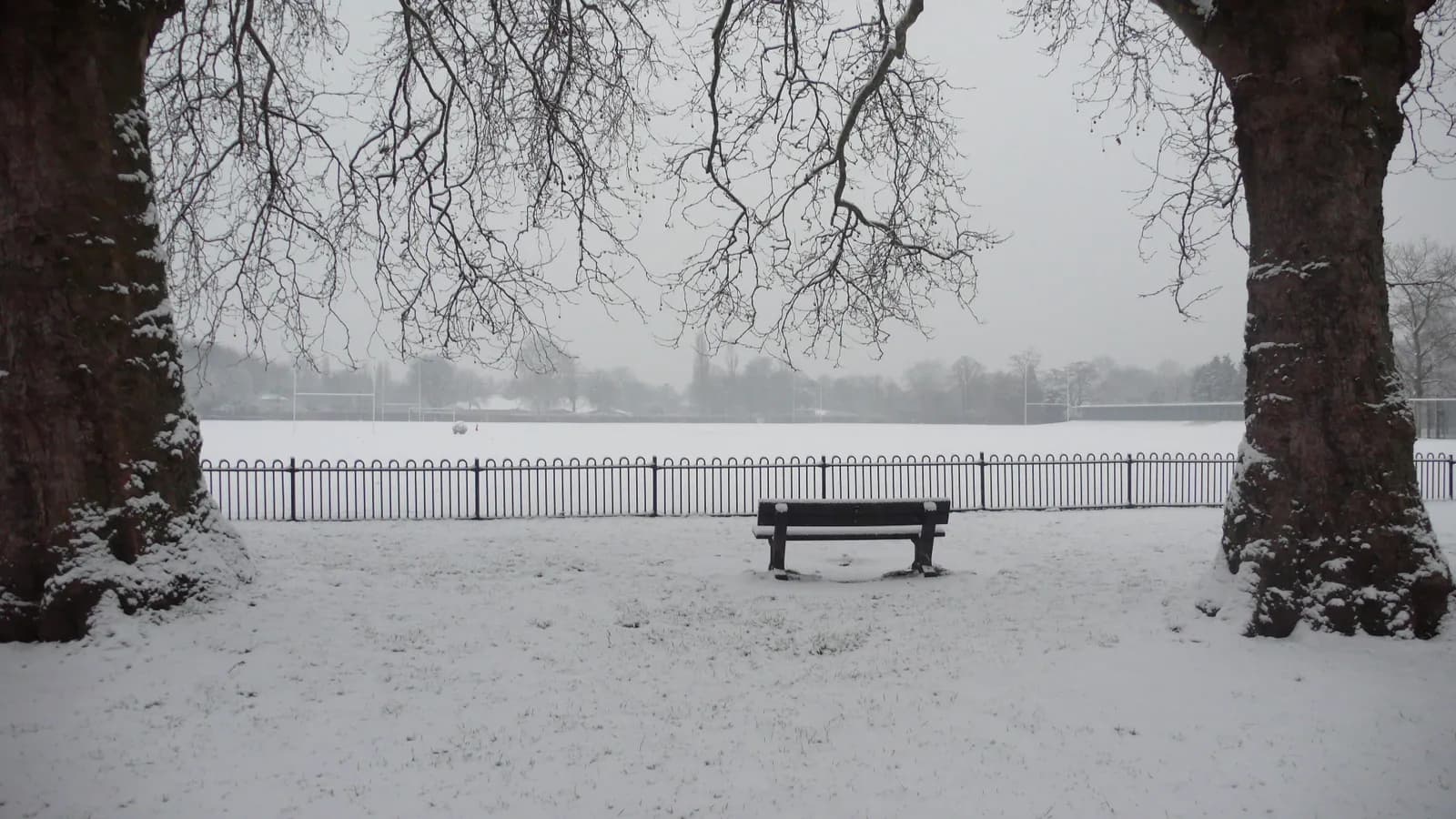
Yet the sport's legacy endures in the adjacent Hurlingham Park, created from part of the purchased estate in the 1950s. The park is regarded as the "spiritual home of British polo." In 2009, a three-day polo tournament held there marked the first time polo had been played on the grounds in 70 years.
The park has also entered popular culture: the Monty Python "Upper Class Twit of the Year" sketch was filmed there in 1969.
The Modern Club
Today, the Hurlingham Club remains an exclusive private members' club, its Georgian clubhouse set amid 42 acres of landscaped gardens adjacent to the River Thames. The address, Ranelagh Gardens, SW6 3PR, places it within easy reach of Putney Bridge and Parsons Green Underground stations.
Membership is strictly controlled. Prospective members require proposal and secondment by two current full members. The waiting list has been closed since 2018, with preference given to children and spouses of existing members. The club reportedly has approximately 13,000 members, though only around 6,000 hold full voting rights.
While polo is no longer played on the estate, the club offers a comprehensive range of sports and leisure facilities: backgammon, bowls, bridge, chess, cricket, croquet, a nine-hole par-3 golf course (in winter), skittles, squash, indoor and outdoor swimming pools, and tennis. The club served as the headquarters of the Croquet Association from 1959 to 2002.
Annual Events and Community Engagement
The club's calendar includes the Giorgio Armani Tennis Classic, the Hurlingham Summer Fiesta, a Family Picnic, and the Alfred Dunhill Padel Classic. The club also makes its facilities available for private events, weddings, and corporate functions, opening its doors to non-members on these occasions.
In 2021, the club established the Hurlingham Club Foundation to "create opportunities and spaces that improve health, wellbeing, and life chances for people in our local borough." Funded by members, staff, and the local community, the Foundation represents the club's most structured effort to engage with its Fulham neighbours.
A Fulham Institution
The Hurlingham Club stands as a rare constant in a changing city. For more than 150 years, its grounds have provided a green sanctuary along the Thames, its sporting traditions have shaped games played around the world, and its exclusivity has made it a symbol of London's social hierarchy. For Fulham residents, the club remains a distinctive local landmark: a private estate whose history is inseparable from the area's own story, visible across Hurlingham Park yet accessible only to the select few who pass through its gates.