For ninety-five years, a workshop on Michael Road in Fulham served as a vital link between artistic vision and finished bronze sculpture. The Art Bronze Foundry, established by Charles Gaskin in 1922, produced castings for some of the most prominent British sculptors of the twentieth century before closing in 2017.
A Workshop on Michael Road
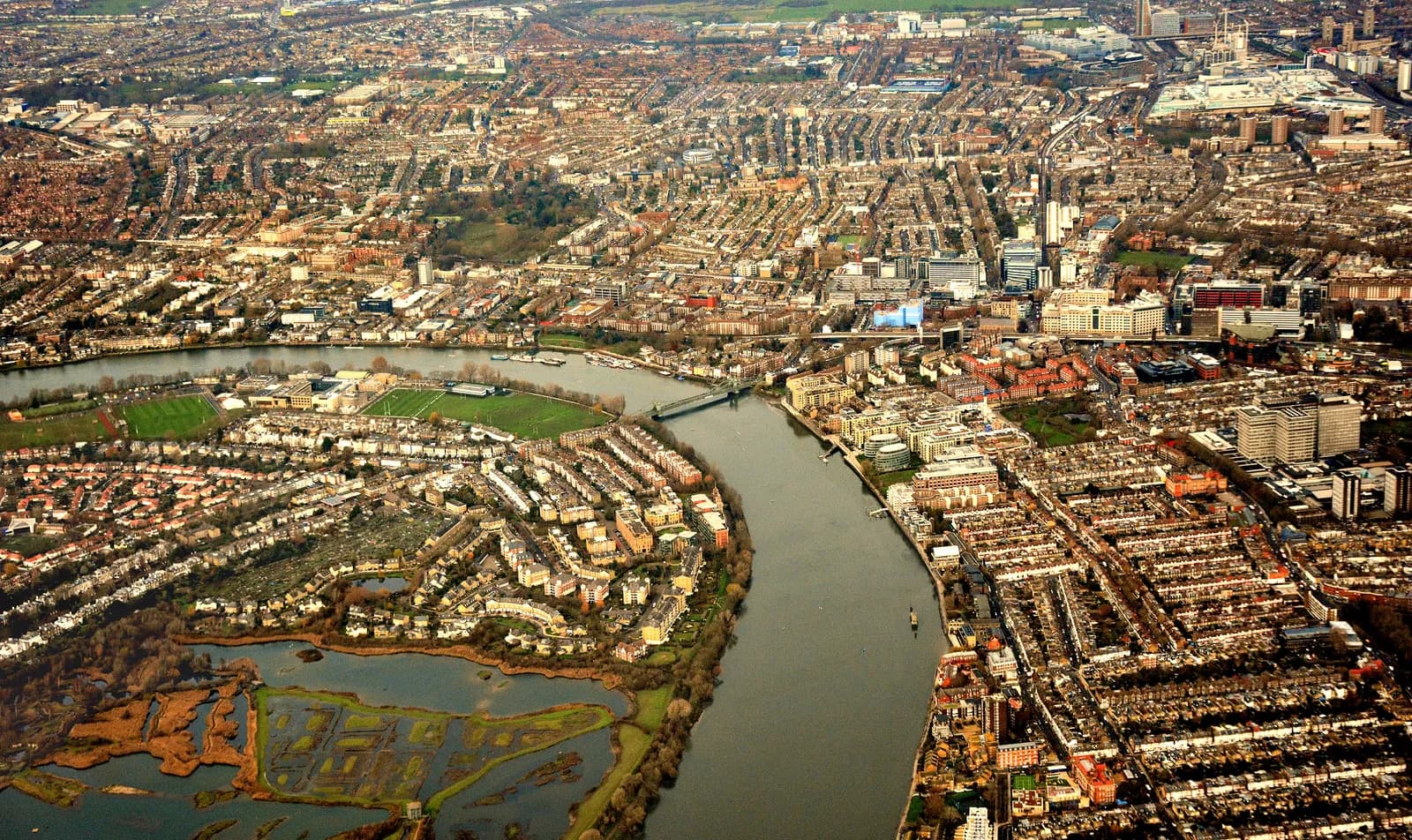
The Art Bronze Foundry operated from premises on Michael Road, just off the New King's Road and a short distance from Eel Brook Common. Founded by Charles Gaskin, the foundry spent nearly a century translating artists' designs into bronze forms that now stand in public spaces across the world. The workshop maintained a discreet presence in a residential corner of Fulham while undertaking commissions for figures of international stature.
The Artists Who Came to Fulham
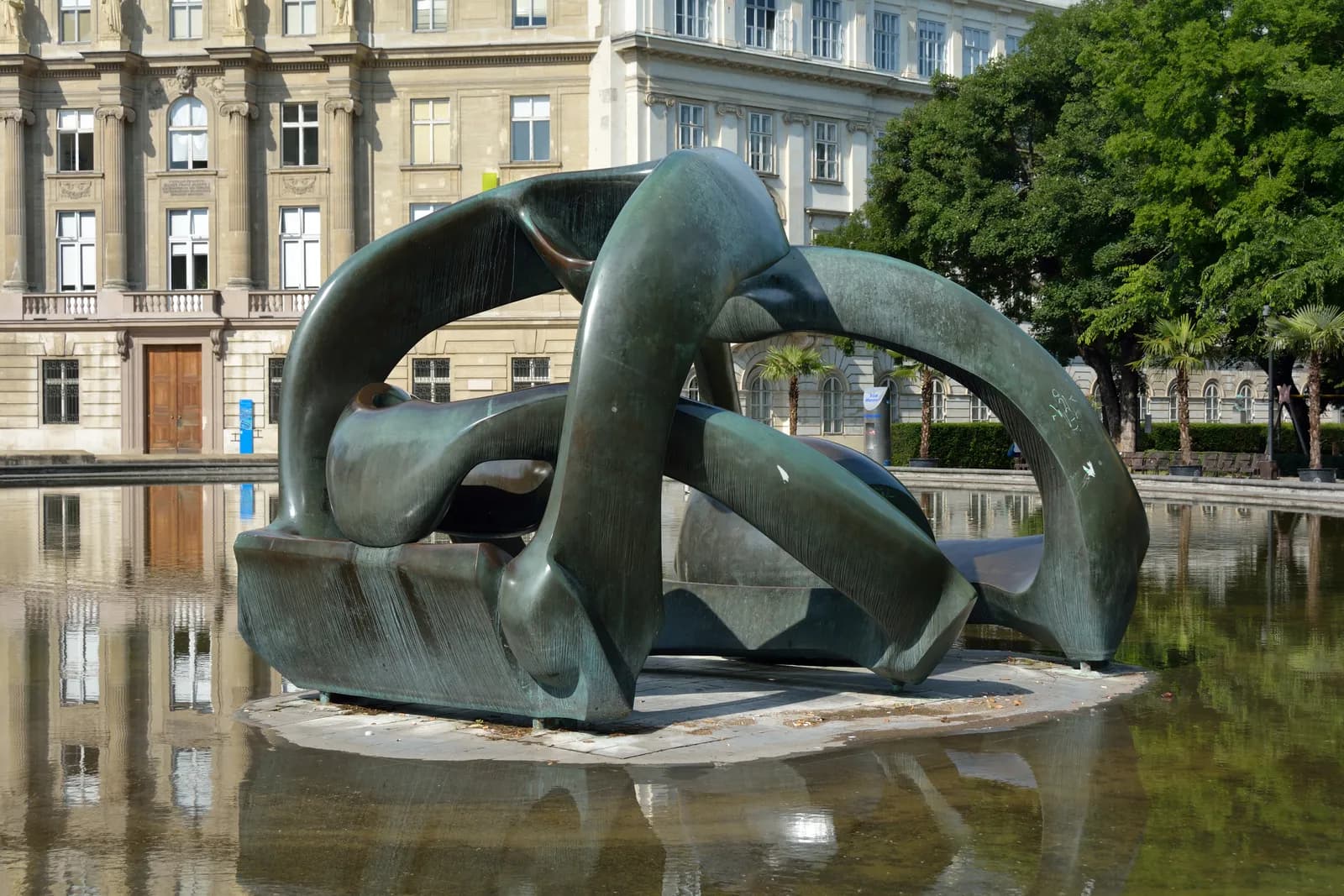
Henry Moore, Barbara Hepworth, Elisabeth Frink, and Jacob Epstein were among the artists whose works were cast at the Fulham foundry. These sculptors, central to British modernism, entrusted the Michael Road workshop with the technical execution of their bronze pieces. The foundry's involvement with such major names placed a small industrial unit in Fulham at the heart of mid-century artistic production.
The Lost-Wax Tradition
The foundry employed the lost-wax casting method, a technique used for fine art bronzes that dates back several millennia. In this process, a wax model is encased in mould material, melted out, and replaced by molten bronze, preserving every surface detail intended by the sculptor. Skilled metalworkers managed each stage with precision, from mould-making to the final application of patina.
Fulham's Wider Making Heritage
The Art Bronze Foundry formed part of a broader pattern of industry and craft in Fulham. The area's history encompassed pottery, tapestry-weaving, paper-making, glass-blowing, and brewing, alongside more recent manufacturing trades. The foundry's presence reflected a time when Fulham housed practical workshops that supplied both local needs and international markets.
Closure and Redevelopment
The foundry ceased operations in 2017, and the Michael Road site was subsequently demolished to make way for residential development. The building that once accommodated furnaces, moulds, and finished bronzes has been replaced by apartments, removing a physical reminder of Fulham's contribution to twentieth-century British sculpture.